
Breast Pump Resources
Today, medical professionals widely recognize breastfeeding as the gold standard for providing babies with the essential nutrients they need to thrive. The American Academy of Pediatrics (AAP) recommends breastfeeding as the exclusive source of nutrition for the first six months, with continued breastfeeding offering even greater benefits for your baby's health and development.
Why Breastfeed?
Studies have shown that fancy formulas are no match for the perfect symphony of nutrients in a mother’s milk. Breast milk helps to promote proper brain growth, boost vision development, provide antibodies to fight off illness, and set the stage for healthy digestive development. No manufactured formula can deliver what babies need quite like what their mother provides. Many professionals refer to mother’s milk as the perfect recipe for infant growth.
If you’re on the fence about breastfeeding, then be sure to keep in mind that formula costs can add up! Many new parents are surprised to find themselves paying between $150 and $200 per month for their hungry infant!

Do You Need a Breast Pump?
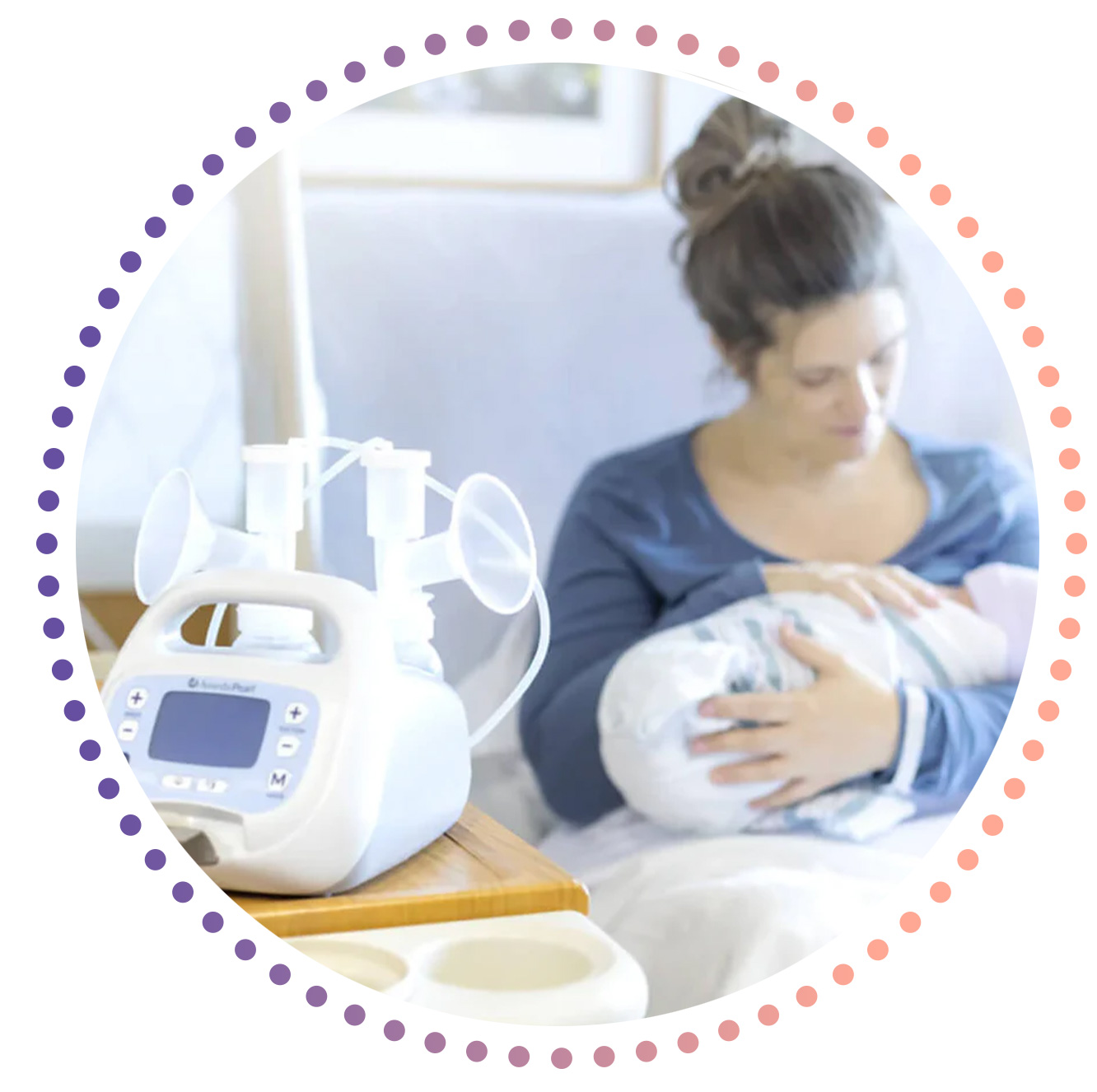
Unless you plan on being by your baby’s side 24/7, a portable breast pump may be the way to go for mothers who choose to breastfeed. Whether you’re a professional who plans on returning to work soon, you have plans that keep you out of the house, or there’s a medical reason why you or your little one cannot breastfeed, it’s important to find the right medical device for the job.
Which Type of Breast Pump Should You Choose?
To begin, it can help to narrow down what you’re looking for in a breast pump. Does it need to be mobile for on-the-go use, or do you require a double pump to boost your letdown? A breast pump is an investment, so be sure to choose wisely!
The Breast Pump Store is here to serve as your online source for high-quality breast pumps across Illinois. We can help you find the right format for your needs, including:
- Manual breast pumps — Simple, affordable, and effective, these models rely on the use of both hands to manually pump milk. If you don’t plan on pumping often, then this may be the right choice. Keep in mind that you must do all of the work!
- Powered breast pumps — Electric breast pumps are powered by a wall outlet or battery pack to provide comfortable extraction without the need for extra effort.
- Hands-free pumps — One way to extract milk while you’re out and about is to go with a wearable pump. While more costly than many models, these pumps are lightweight and discreet.
- Double breast pumps — Double your output with two breast shields and a pump with the features needed to extract more milk in less time.
- Hospital-grade pumps — Those who will pump frequently can rely on these heavy-duty breast pumps. You can elect to rent or buy one of these pumps to meet your needs.
Which Features Will You Need?
Beyond choosing the type and style of your new breast pump, you will also need to consider the features of each model to ensure you purchase one that thoroughly meets your needs. Breast pump manufacturers provide a wealth of information to help you find the right fit for your situation, and may be able to help you decide which pump is best.
Below are a few of the top features offered by the most popular breast pump models. Remember to check out the additional accessories that are available for many breast pumps.

Adjustable Controls
Your breast pump will simulate the motion of a feeding infant in order to facilitate optimal milk extraction. The first phase of this process is stimulation, in which the baby will suckle aggressively to let the mother’s body know it is time for feeding. Once the milk begins to flow, your infant will begin to pull in slow, smooth draws. This release of milk is called letdown, a reflex that is stimulated by an infant’s suckling motions. Your chosen breast pump will either offer a letdown button or dial for multiphase pumping.
Most breast pumps will feature a letdown button to enable you to toggle pump speeds. This is useful when you need to re-initiate letdown, such as when your baby needs a break or you need to pause between bottle fillings.

Power Source
The power source of a breast pump greatly influences how you can use it in the months to come. Many mothers rely on powered personal breast pumps to feed their little one, which typically includes a plug and wall outlet for consistent energy. If you plan on being out and about often, or your work does not provide a suitable space for nursing or pumping, then you will likely need to find a model with a built-in battery pack. Some models feature rechargeable batteries, while others rely on traditional AA batteries. In either case, it pays to consider your lifestyle needs when choosing between an electric and battery-powered breast pump!

Bottle Holders
You’ll want to keep your pumping supplies neat and orderly, which is why it may help to opt for built-in bottle holders. These holders provide the perfect storage for your bottles while also keeping them secure to help prevent spills.

Product Weight
Portable breast pumps are made to be small and lightweight. 10 pounds may not sound like a lot, but when you’re tasked with carrying your breast pump everywhere, this weight can certainly add up! Before you buy, be sure to decide the weight level that will work best for your lifestyle.

Warranty Coverage
It’s important to understand a breast pump’s warranty information before making a purchase. Most products will feature a one-year warranty to cover the motor and an extended warranty for issues with parts and accessories.

Breast Shields
Each breast pump set includes a breast shield or flange designed to fit most users. However, if you notice that the size of your breast shield is incorrect, it is important to seek out the proper fit. Flanges that are too large can suck in excess breast tissue, pinching the milk ducts and impacting flow for feeding. Breast flanges that are too small can hurt the nipple and may even lead to an infection.

How long does breast milk last in storage?
It can help to remember how to store your expressed milk with the rule of six: six hours out at room temperature, five or six days in the refrigerator, and six months in the deep freezer (12 months is acceptable, if needed). Keep in mind that longer storage times will result in a breakdown of vitamin C within the milk.
How should I store my breast milk?
You can store your expressed milk in a clean, capped plastic (BPA-free) or glass container. Many mothers invest in disposable plastic bags designed for this purpose.
Do I need to wash my breast pump?
Yes! Bacterial growth can stem from pathogens coming into contact with your breast pump and milk. It’s recommended to thoroughly wash your pump at least once per day.
Can I reuse someone else’s pump?
It is not recommended to use someone else’s breast milk pump. Contamination can result from breast milk entering the tubing and components and setting the stage for bacterial growth. There’s no sure way to completely sterilize a breast pump, which is why professionals will always tell you to procure your own.
Need Help Finding a Breast Pump?
If you need a breast pump, a doctor should be able to provide a prescription. This can help you to find a high-quality, portable breast pump at low to little cost out of pocket. The Breast Pump Store is here to serve as your trusted resource for premium breast pumps and accessories tailored to fit your lifestyle needs in coordination with your insurance benefits.
Ready To Get Started?
You can fill out our breast pump insurance form to get started through us, or contact us online with any questions. The Breast Pump Store is here to enhance your life with the right durable medical equipment, and we’re confident that we can help you find the best breast pump for your needs. We look forward to helping you!