

Why Does One Breast Produce Less Milk When Pumping?
You finish pumping and notice that one bottle contains considerably more milk than the other. It is easy to wonder whether something is wrong, but differences in milk production between breasts are extremely common. The Office on Women’s Health notes that it is normal for one breast to make more milk than the other. Your…
Read More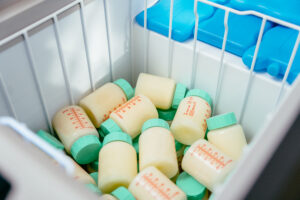
How to Build a Breast Milk Freezer Stash Without Creating an Oversupply
Social media can make it seem like you need an entire freezer filled with breast milk before you return to work, leave your baby with a caregiver, or spend a night away. In reality, many families do not need anywhere close to that amount. A freezer stash can provide useful flexibility and peace of mind,…
Read More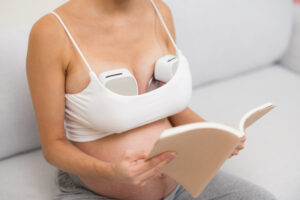
Can You Use a Wearable Breast Pump as Your Primary Pump?
Wearable breast pumps solve one of the biggest frustrations associated with traditional pumping: being connected to a pump while trying to work, care for another child, move around the house, or simply get through the day. Their convenience has made them increasingly popular, but it also raises an important question. Can a wearable breast pump…
Read More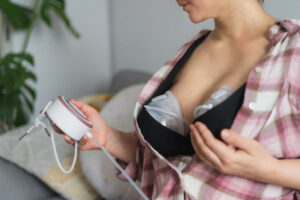
Exclusive Pumping Guide: Schedules, Milk Supply, and When to Drop Pumping Sessions
Exclusive pumping can feel overwhelming at first, particularly when you are trying to figure out how often to pump and how to fit pumping sessions around feeding, sleeping, work, and everything else that comes with caring for a new baby. Fortunately, the schedule you follow in the beginning does not necessarily need to stay the…
Read More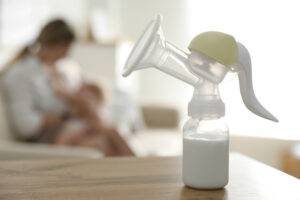
Can You Get a New Breast Pump Through Insurance for Each Pregnancy?
If you received a breast pump through insurance with your first baby, you might assume that you need to reuse the same pump for your next pregnancy. That is not necessarily the case. Many health insurance plans include breast pump benefits as part of their breastfeeding coverage, and depending on your plan, you may be…
Read More
What to Pack in Your Pump Bag: A Practical Checklist for Work, Travel, and Errands
A well-packed pump bag can make pumping away from home feel much less stressful. Whether you are heading to work, running errands, traveling, or spending the day with family, having the right supplies with you can help you stay on schedule and avoid last-minute surprises. You do not need to pack every pumping product you…
Read More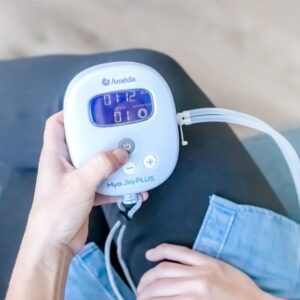
Breast Pump Settings Explained: Suction, Cycle Speed, Letdown Mode, and Expression Mode
Breast pumps can feel surprisingly confusing at first. You turn the pump on, see buttons for suction, cycle speed, letdown mode, expression mode, massage mode, stimulation mode, vacuum levels, and suddenly it feels like you need a manual just to get started. The good news is that most breast pump settings are built around one…
Read More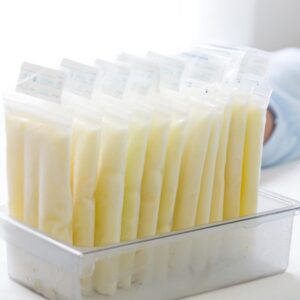
Pumping With Low Supply: Why It Happens and What To Try
Worrying about low milk supply can feel incredibly personal. It is easy to wonder if your body is not doing enough, especially when you are tired, healing, feeding a baby around the clock, and watching every ounce in a bottle. But low supply is not a character flaw. It is not a sign that you…
Read More
How to Choose the Right Flange Size for More Comfortable Pumping
Pumping should not feel painful, pinching, or frustrating every time you sit down with your breast pump. If it does, the issue may not be you, your body, or your milk supply. It may be your flange size. The flange, sometimes called a breast shield, is the funnel-shaped part of your breast pump that fits…
Read More
Alcohol, Caffeine, and Pumping: Do You Really Need to “Pump and Dump”?
“Pump and dump” is one of those phrases that gets repeated so often it starts to sound like a rule. In reality, most of what people believe about pumping and dumping is either outdated or incomplete. The truth is simpler: alcohol and caffeine show up in breast milk in predictable ways, and in most everyday…
Read More