
Breast Pumps Through Insurance
By Brand
By Insurance
How to Choose the Right Breast Pump
Choosing a breast pump is about finding the style that fits your routine, which makes it a very personal decision. Some parents want maximum freedom to pump while moving around; others want a reliable daily pump that’s easy to use and easy to clean. The right choice usually comes down to how often you’ll pump, where you’ll pump, and how much portability you need.
The Main Types Of Breast Pumps
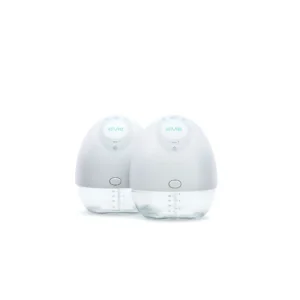
Wearable breast pumps (in-bra): Built for discretion and mobility. Wearables sit inside your bra so you can pump without tubes or external bottles. They’re popular for commuting, shared workspaces, and busy days when you don’t want to be tethered to a wall.
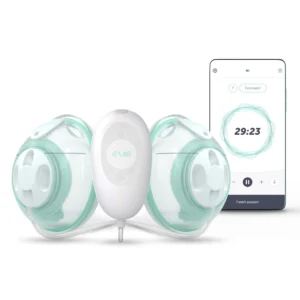
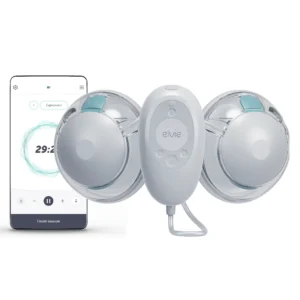
Hands-free breast pumps (cups + small hub): A flexible middle ground. You wear collection cups in your bra, but the motor is a small unit you clip to your waistband or keep in a pocket. Many parents like this style when they want hands-free pumping without going fully wearable.
Portable cordless breast pumps: Often the best “all-around” category. These pumps are compact, rechargeable, and easy to use at home or on the go. If you expect to pump regularly (especially once you’re back to work), a strong portable pump can be a great primary option.
Classic double electric breast pumps: The traditional home-base choice. They’re straightforward, consistent, and ideal for a dedicated pumping space at home or at work.
A Quick Guide Based On Your Routine
- Back to work / pumping most days: Start with a reliable “primary pump” you can use consistently. Good places to begin in this lineup are:
- Medela Pump In Style® Hands-Free, Cimilre S6 / S6+
- Ameda Mya Joy Plus (and Mya Joy Plus With Bag)
- Need discretion and flexibility: Look at wearables and hands-free systems designed for multitasking like:
- Elvie Double Breast Pump, Lansinoh Discreet Duo
- Lansinoh Wearable Pump
- Elvie Stride / Stride 2
- Medela Freestyle™ Hands-free.
- Travel or moving around a lot: Prioritize compact, rechargeable options that don’t lock you into one spot like:
- BabyBuddha 2.0
- Ameda Mya Joy Plus
- Medela Freestyle™ Hands-free
- Elvie Stride / Stride 2
- Want easy cleaning: If simplicity is your priority, many parents start with more traditional, straightforward setups like:
- Lansinoh Signature Pro
- Cimilre S6
- Ameda Mya Joy Plus
Features That Matter Most When Comparing Pumps
When comparing breast pumps, these details often make the biggest difference in day-to-day use:
- Comfort + adjustability: More control over suction and rhythm can help you find settings that feel better over time.
- Portability: Rechargeable and lightweight designs are easier to stick with consistently.
- Noise level: Especially important if you’ll pump near others.
- Parts & cleaning: Fewer parts can mean faster cleanup and less frustration.
- How you’ll pump: Solo pumping, occasional pumping, exclusive pumping, or pumping multiple times daily can change what you’ll value most.
Can You Get A Breast Pump Through Insurance?
Many parents get their breast pump through insurance, but coverage varies by plan and state. If you decide to explore that option, you can typically browse first, shortlist a few favorites, and then confirm which models are available under your plan (some may be fully covered and some may have upgrade options). That's something that we can help you with in just 3 easy steps.
Breast Pump FAQ
What’s the difference between wearable and hands-free breast pumps?
Wearables are all-in-bra units with no external motor. Hands-free pumps use in-bra cups but connect to a small hub/motor worn outside the bra.
When should I buy a breast pump?
Many parents choose during the third trimester, but timing depends on your schedule and (if applicable) insurance rules.
Do all breast pumps work the same way?
Most electric pumps follow similar basics, but comfort, portability, and ease of use can feel very different in real life which is why comparing by routine is usually the fastest way to choose.