
For new moms in northern Illinois, juggling baby care with daily life—whether that’s a trip into Chicago or a quiet day in the suburbs—is a constant balancing act. Pumping and storing breast milk offers the freedom to navigate your new schedule while providing for your baby. This guide from The Breast Pump Store is your essential resource for learning how to properly handle your liquid gold, giving you confidence and flexibility, no matter where your day takes you.

Best Practices for Pumping Sessions
To get the most out of each pumping session, consistency is key. Find a comfortable, relaxing space where you can focus on pumping without distraction. Use a double pump to express milk from both breasts at once, which can save you valuable time and often increases your overall milk output. Aim to pump around the same time each day to help regulate your body’s supply and demand signals.
Safe Storage Guidelines for Breast Milk
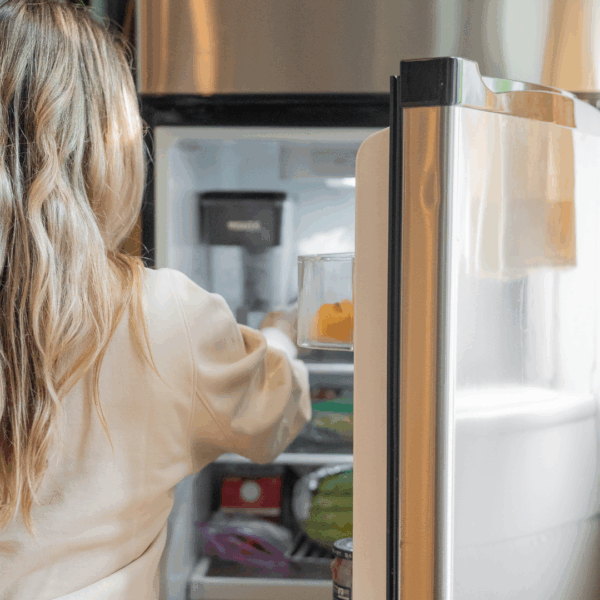
Understanding proper storage is crucial for maintaining the quality of your breast milk. A good rule of thumb is the “Rule of 4s.” Breast milk can be left at room temperature (up to 77°F) for up to 4 hours. It can be stored in the refrigerator for up to 4 days, and in the freezer for 4 months (or up to 6 months in a deep freezer). Always label your storage bags with the date to keep track.

Tips for Freezing and Thawing Breast Milk
When freezing milk, use breast milk storage bags and fill them with no more than 4 ounces to allow for expansion. Lay them flat to freeze to save space, and then you can store them upright. To thaw frozen milk, never use a microwave. Instead, place the sealed bag in the refrigerator overnight or run it under warm water. Once thawed, use it within 24 hours.
The Importance of the Right Equipment
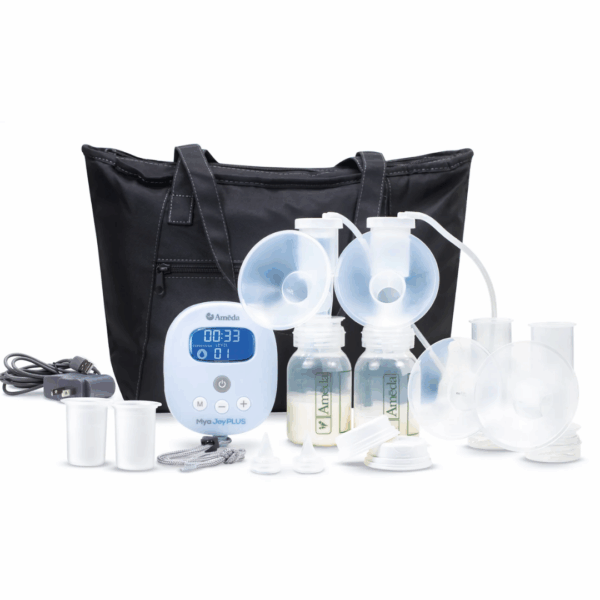
The success of your pumping and storage journey depends heavily on your equipment. Using a high-quality, efficient pump is the first step to ensuring you are fully expressing milk. Finding the best pump for your unique needs can make a huge difference in your output and comfort. Additionally, using quality breast milk storage bags and bottles will help preserve the milk’s valuable nutrients and prevent waste.
Pumping and storing breast milk empowers you to provide for your baby’s needs, whether you’re at home or on the go. By following this guide, you can ensure every drop is safely handled. Having the right tools is the first step. The Breast Pump Store is here to help you get the equipment you need. Get started now to see if you’re eligible for an insurance-covered breast pump.